DECODE Materials Lab
Defect Engineering via Computational Design of Materials
University of Toledo
PI: Pulkit Garg
Defect Engineering via Computational Design of Materials
University of Toledo
PI: Pulkit Garg
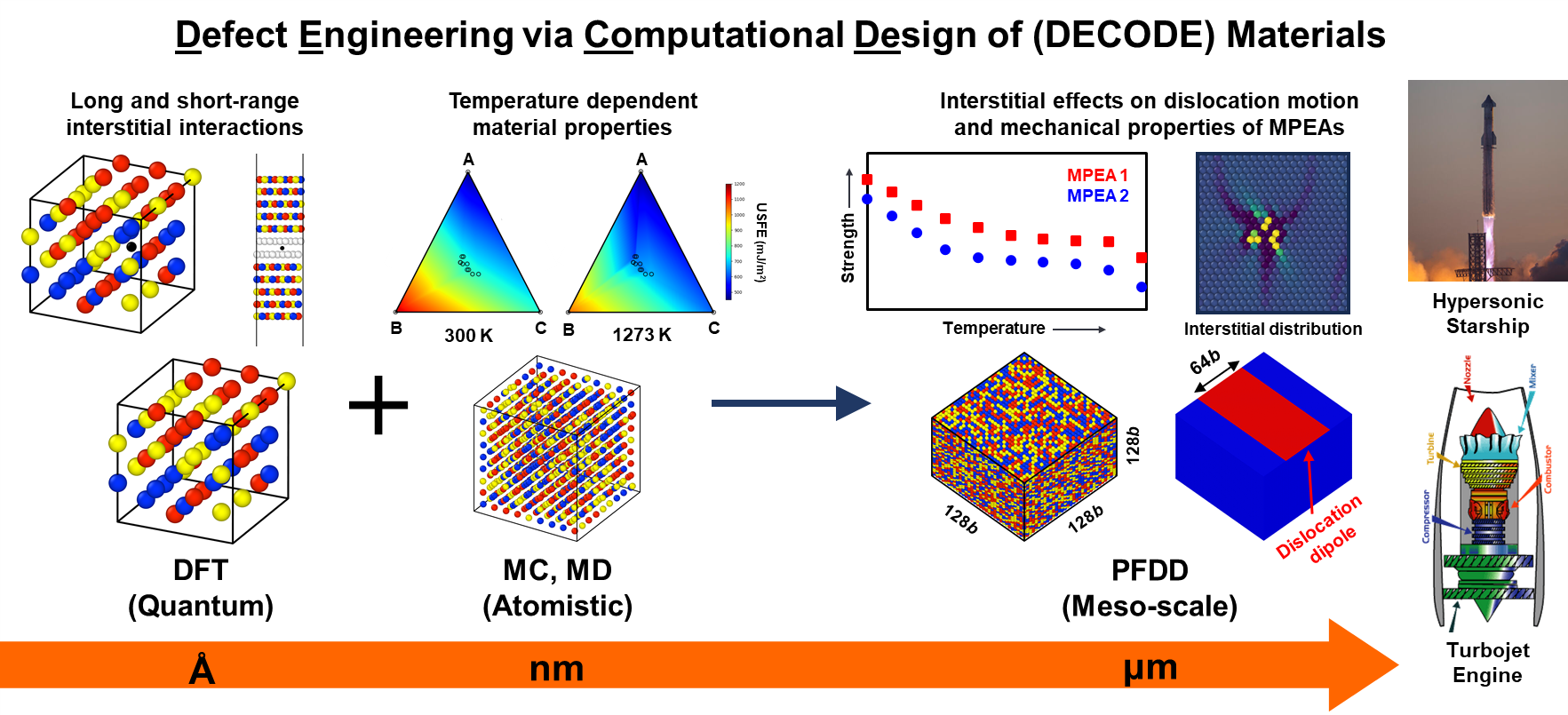
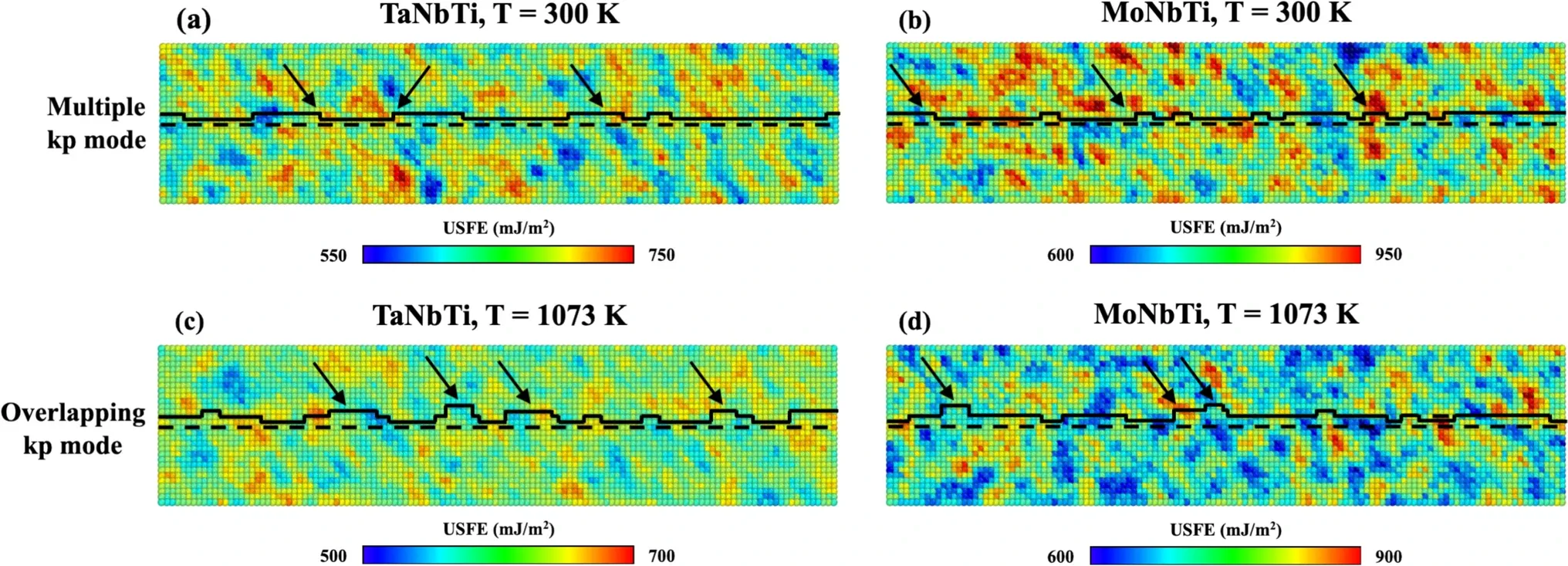
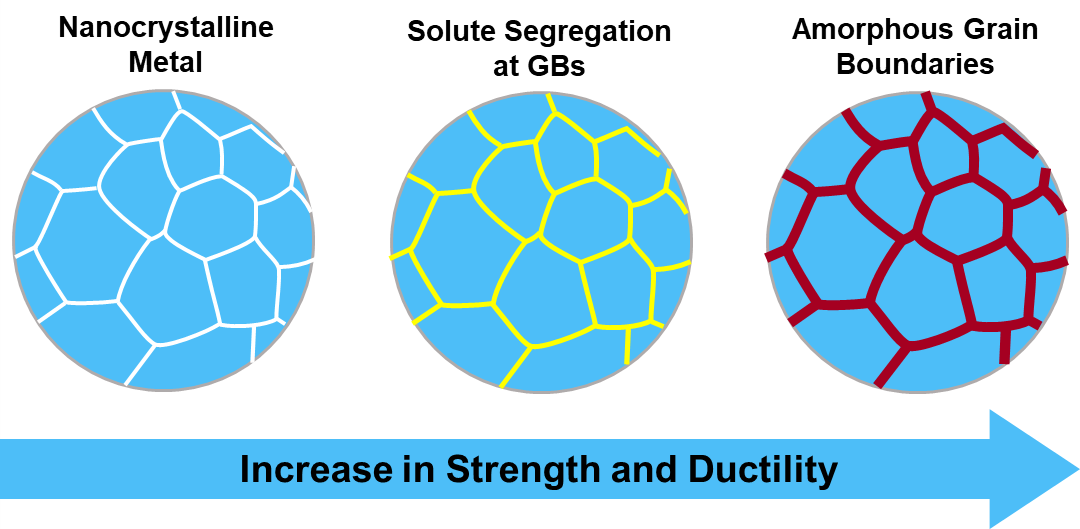
Defects behave very differently than perfect crystalline material and often control key material properties. The DECODE Materials Lab uses multiscale computational methods, including density functional theory (DFT), molecular dynamics (MD), and phase-field dislocation dynamics (PFDD), integrated with AI/ML-driven design, to understand and engineer defects across length scales. We use these tools to uncover new structure-property relationships in multi-principal element alloys, nanocrystalline metals, and superconducting materials, accelerating the development of next-generation materials for aerospace, hypersonic systems, energy, defense and national security, and quantum technologies.